

Introduction
In 2025, pet owners across the U.S. are celebrating a groundbreaking development the Doge Food Stamps Bill. This new legislation aims to provide financial assistance to low-income families struggling to afford nutritious food for their pets. With rising pet care costs, this bill could be a game-changer for pet health and welfare.
In this blog post, we’ll explore:
- What the Doge Food Stamps Bill entails
- How it benefits pet owners and their furry friends
- The impact on pet nutrition and well-being
- How to apply for pet food assistance
- Why this bill matters for healthy pet care in 2025
What Is the Doge Food Stamps Bill?
The Doge Food Stamps Bill (the Pet Nutrition Assistance Act) is a government initiative to help low-income families afford high-quality pet food. Inspired by existing food stamp programs (SNAP), this bill ensures that pets receive proper nutrition without straining household budgets.
Key Features of the Bill:
- Subsidized pet food for qualifying households
- Veterinary-approved nutrition guidelines to ensure pets get balanced meals
- Partnerships with pet food brands for discounted rates
- Education programs on healthy pet diets
This legislation is a major win for animal welfare advocates and pet lovers who believe no pet should go hungry.
Why the Doge Food Stamps Bill Matters for Pet Health
A well balanced diet is crucial for a pet’s longevity, immune system, and overall health. Unfortunately, many pet owners facing financial hardships resort to cheap, low-quality food, leading to:
- Obesity & malnutrition
- Digestive issues
- Skin and coat problems
- Weakened immunity
With the Doge Food Stamps Bill, more pets will have access to nutrient-rich food, reducing preventable health issues and vet bills.
- Best dog food for budget-conscious owners
- Affordable healthy pet food 2025
- How to feed your dog on a tight budget
- Government assistance for pet food
- High-nutrition pet food brands
How to Apply for Pet Food Assistance in 2025
If you are struggling to afford pet food then here’s how to benefit from the Doge Food Stamps Bill:
- Check Eligibility – Visit the official USDA or local pet welfare website.
- Submit Documentation – Proof of income, pet ownership, and residency.
- Receive an EBT-Style Card – Use it at approved pet food retailers.
- Follow Vet-Recommended Diets – Ensure your pet gets the right nutrients.
Pro Tip: Some non-profit pet food banks also offer free pet food—check local shelters and rescue groups.
The Future of Pet Welfare & Nutrition
The Doge Food Stamps Bill is just the beginning and As pet ownership grows, expect more policies supporting:
- Free or low-cost veterinary care
- Pet insurance subsidies
- Expanded pet food assistance programs
By prioritizing pet health and nutrition and we create happier healthier pets and reduce shelter surrenders due to financial strain
The Rising Cost of Pet Food & Why the Doge Food Stamps Bill is Critical in 2025
Pet ownership has surged since 2020 but so have costs with pet food prices increasing by 18% since 2022. For families already struggling with inflation, feeding pets with high quality food has become a luxury. The Doge Food Stamps Bill directly addresses this crisis by the following:
- Preventing malnutrition-related illnesses (like diabetes and heart disease in pets)
- Reducing shelter surrenders (30% of pets are relinquished due to financial strain, per ASPCA)
- Promoting long-term vet cost savings (poor diet leads to 3x more vet visits)
How the Program Works: A Step-by-Step Guide
Unlike human SNAP benefits of the Pet Nutrition Assistance Act operates through:
- Pre-Approved Retailers
Major chains like Petco, Chewy, and local pet stores will accept the Pet EBT card for discounted kibble, wet food, and prescription diets. - Breed-Specific Allocations
A Great Dane’s monthly allowance differs from a Chihuahua’s. The bill allocates funds based on:
Pet size
Age
Medical needs - Nutritional Standards
All covered foods must meet AAFCO guidelines and exclude fillers like corn syrup and artificial preservatives ensuring pets get human grade ingredients.
5 Ways to Maximize Your Doge Food Stamps Benefits
- Combine with Loyalty Programs
Use your Petco Pals or PetSmart Treats rewards for extra discounts. - Buy in Bulk
The card covers larger bags (more cost-effective per pound). - Ask About Vet Partnerships
Some clinics offer free nutritional counseling for cardholders. - Report Price Gouging
A hotline will monitor retailers overcharging for approved foods. - Donate Unused Funds
If your pet passes, remaining balances can be transferred to shelters.
The Bigger Picture: Could This Revolutionize Pet Care?
If successful, the bill may expand to include:
- Subsidized flea
- Spay/neuter vouchers
- Emergency vet bill grants
States like California and Texas are already piloting “Pet Medicaid” programs for low-cost checkups.
How the Doge Food Stamps Bill Improves Pet Health Outcomes
Proper nutrition is critical for pets, yet 67% of low-income pet owners report difficulty affording quality food (ASPCA, 2024). The Doge Food Stamps Bill directly addresses this by providing access to science backed pet nutrition while reducing long-term healthcare costs.
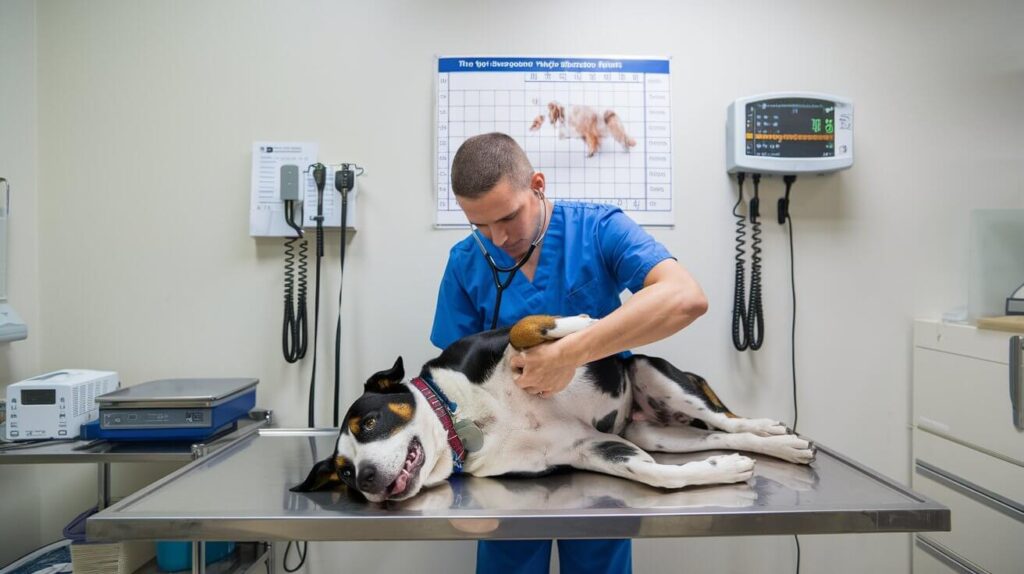
3 Key Health Benefits of the Program
- Prevents Nutrition-Related Diseases
- Supports Senior Pets
- Reduces Emergency Vet Visits
How to Maximize the Program
- Compare Approved Brands: Use the Pet Nutrition Alliance’s food comparison tool to find optimal options
- Combine with Local Resources: Find supplemental help via Petfinder’s food assistance directory
- Consult Your Vet: Schedule a low-cost nutritional consult (many clinics offer discounts for program participants)
Critical Resources:
Final Thoughts
The Doge Food Stamps Bill marks a groundbreaking shift in pet welfare, addressing the critical link between affordable nutrition and long term pet health. By subsidizing high quality food for low-income families, this initiative tackles pet hunger, preventable diseases, and financial stress simultaneously—creating a ripple effect that benefits veterinary clinics, animal shelters, and local economies.
For pet owners, this means:
- Fewer heartbreaking choices between rent and pet food
- Healthier, happier pets with stronger immune systems
- Lower vet bills through proper preventative care
While challenges like application accessibility and retailer participation remain and the bill sets a powerful precedent. It proves that animal welfare is a public health issue worthy of government support paving the way for future policies on vet care subsidies and pet housing security.

