

Pet owners are always looking for the best nutrition for their furry companions, and one of the most debated topics in pet nutrition is grain-free dog food. With the variety of pet food options expanding, many brands now offer grain-free formulas that claim to enhance health and digestion. But is grain-free dog food truly healthier for your pet? In this comprehensive guide, we will explore what grain-free dog food is, its potential benefits and risks, and whether it is the right choice for your dog like doge food stamps bill
What is Grain-Free Dog Food?
Grain-free dog food is specifically formulated without grains such as wheat, corn, rice, barley, and oats. Instead, it uses alternative sources of carbohydrates, including sweet potatoes, peas, lentils, and chickpeas. The idea behind grain-free diets is to mimic a more ancestral diet, similar to what a dog’s wild ancestors would have consumed.

Benefits and Risks of Grain-Free Dog Food
| Benefits | Risks |
| May reduce allergies and food sensitivities | Possible link to canine heart disease (DCM) |
| Improves digestion in dogs with sensitive stomachs | Nutritional imbalances if not properly formulated |
| Promotes healthier skin and a shinier coat | Often more expensive than regular dog food |
| Higher protein content, supporting lean muscle and energy | Over-reliance on legumes (peas, lentils) may affect nutrient absorption |
| Typically free of common fillers and artificial ingredients | Not necessary for dogs without grain allergies |
The Benefits of Grain-Free Dog Food
1. May Reduce Food Allergies and Sensitivities
Some dogs have allergies or sensitivities to grains, which can cause skin issues, digestive problems, and inflammation. Eliminating grains from their diet may alleviate these symptoms and improve overall health.
2. Improved Digestion
Grain-free formulas usually contain higher protein levels and fiber-rich vegetables, which can help improve digestion. Dogs with sensitive stomachs may experience fewer digestive issues on a grain-free diet.
3. Healthier Skin and Coat
Many grain-free diets offer increased levels of omega-3 and omega-6 fatty acids from sources such as fish and flaxseed. These essential fats promote a shinier coat and healthier skin.
4. Higher Protein Content
Grain-free diets often substitute grains with more animal-based proteins, which can help support lean muscle mass and increase energy levels, particularly in active and working dogs.
5. Potentially Less Filler Ingredients
Grain-free dog food often focuses on whole food ingredients rather than processed fillers. This can contribute to a more nutritious diet for your pet.
The Risks and Concerns of Grain-Free Dog Food
1. Possible Link to Heart Disease
The FDA has examined a potential link between grain-free diets and canine dilated cardiomyopathy (DCM), a heart condition that weakens the heart muscle. Some grain-free formulas may not provide adequate levels of taurine, an essential amino acid vital for heart health.
2. Nutritional Imbalances
Not all grain-free foods are created equal. Some rely heavily on legumes like peas and lentils, which might not provide the necessary nutrients dogs need. Without proper formulation, dogs may miss out on essential vitamins and minerals.
3. Higher Cost
Grain-free dog food is typically more expensive than regular kibble because of the high-quality ingredients used. This can be a significant concern for pet owners on a budget.
4. Not Always Necessary
Unless your dog has a specific grain allergy, you may not need to eliminate grains. In fact, whole grains such as brown rice and oatmeal can be beneficial sources of fiber and nutrients for many dogs.
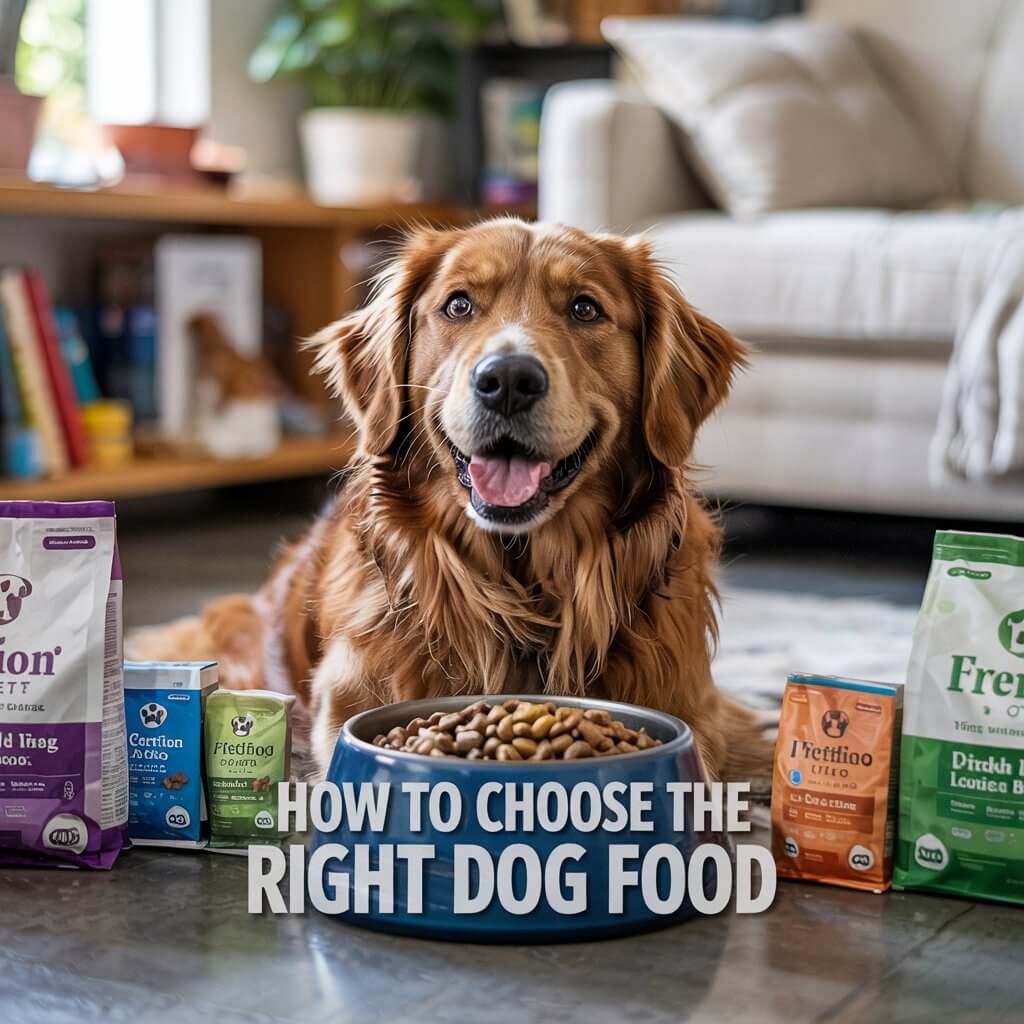
How to Choose the Right Dog Food
If you’re considering switching to grain-free dog food, here are some tips to ensure your dog gets a well-balanced diet:
- Consult Your Veterinarian: Always talk to your vet before making significant dietary changes.
- Look for High-Quality Ingredients: Choose grain-free formulas with real meat as the first ingredient and avoid those with excessive fillers.
- Check for Taurine and Essential Nutrients: Ensure the formula includes taurine, omega fatty acids, and essential vitamins.
- Monitor Your Dog’s Health: Observe your dog’s digestion, energy levels, and coat condition after switching diets.
What Veterinarians Say
Most veterinarians agree that while some dogs benefit from grain-free diets, many do just as well—or better—on diets that include whole grains. The key is choosing a high-quality dog food, whether grain-free or not, that meets your dog’s unique nutritional needs.
Alternatives to Grain-Free Diets
If you’re concerned about grains but want to avoid potential risks, consider:
- Limited Ingredient Diets (LID): These include minimal ingredients to reduce allergy risks.
- Ancient Grain Diets: Foods that use whole, unprocessed grains like quinoa, millet, and barley.
- Raw or Fresh-Frozen Diets: For pet owners seeking natural feeding options, raw or gently cooked diets may be suitable (under vet guidance).
Final Thoughts
Choosing the right dog food is an important decision that can impact your pet’s overall health and quality of life. Grain-free dog food can offer benefits, especially for dogs with specific allergies or sensitivities. However, it’s not the best option for every dog.
Before switching to a grain-free diet, consider these key points:
- 🩺 Consult with a veterinarian to assess your dog’s specific health needs.
- 📋 Review ingredients and nutritional adequacy to ensure a complete and balanced diet.
- 💰 Consider the cost and determine if it aligns with your budget for long-term feeding.
- 🔄 Monitor your dog’s response to dietary changes including energy, coat health, and digestion.
- 📚 Stay informed about ongoing research and FDA updates regarding pet nutrition.
In the end, the aim is to provide your dog with a nutritious and wholesome diet that enhances their vitality, longevity, and happiness. Regardless of whether it’s grain-free, make informed decisions based on your dog’s unique needs rather than following trends.


